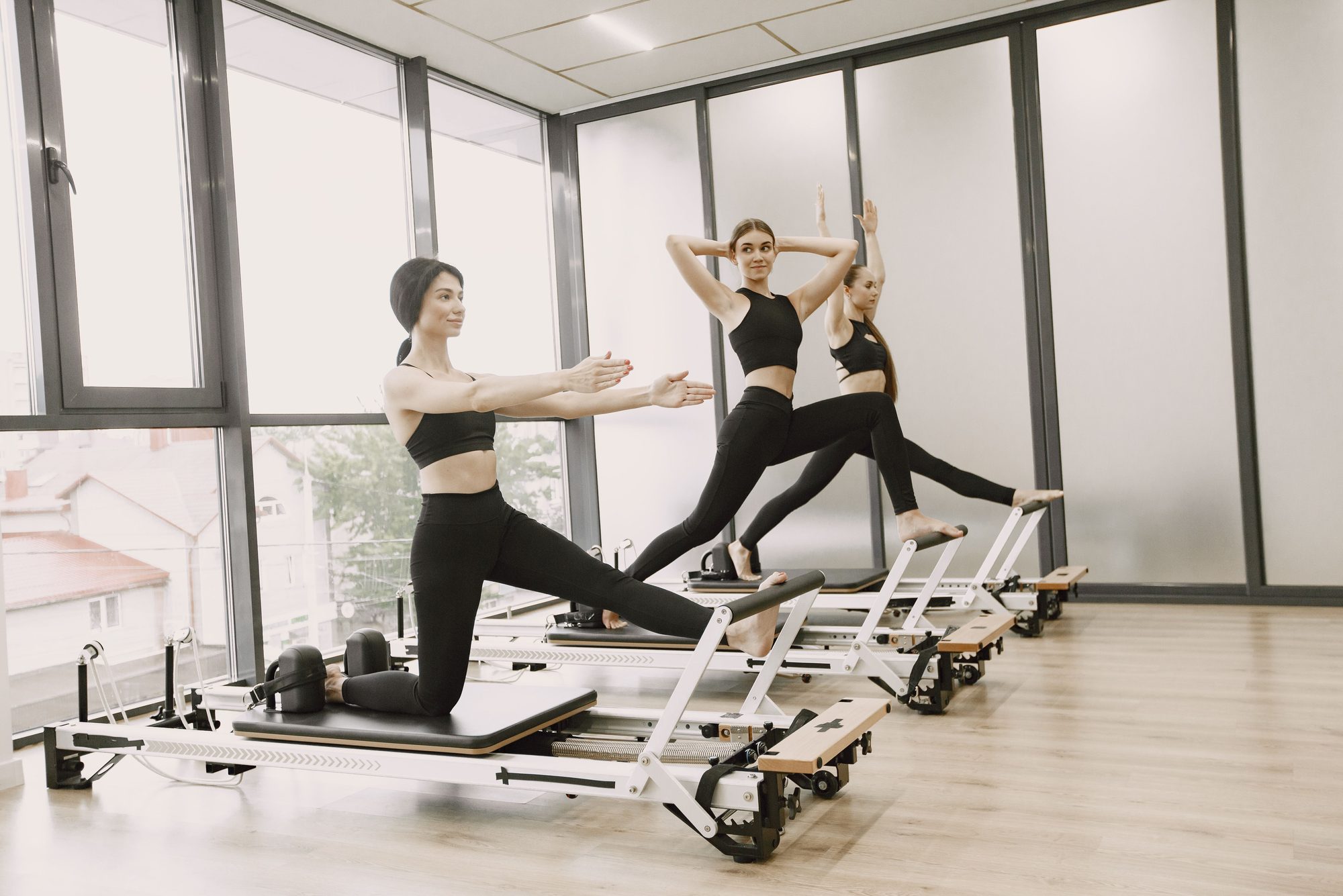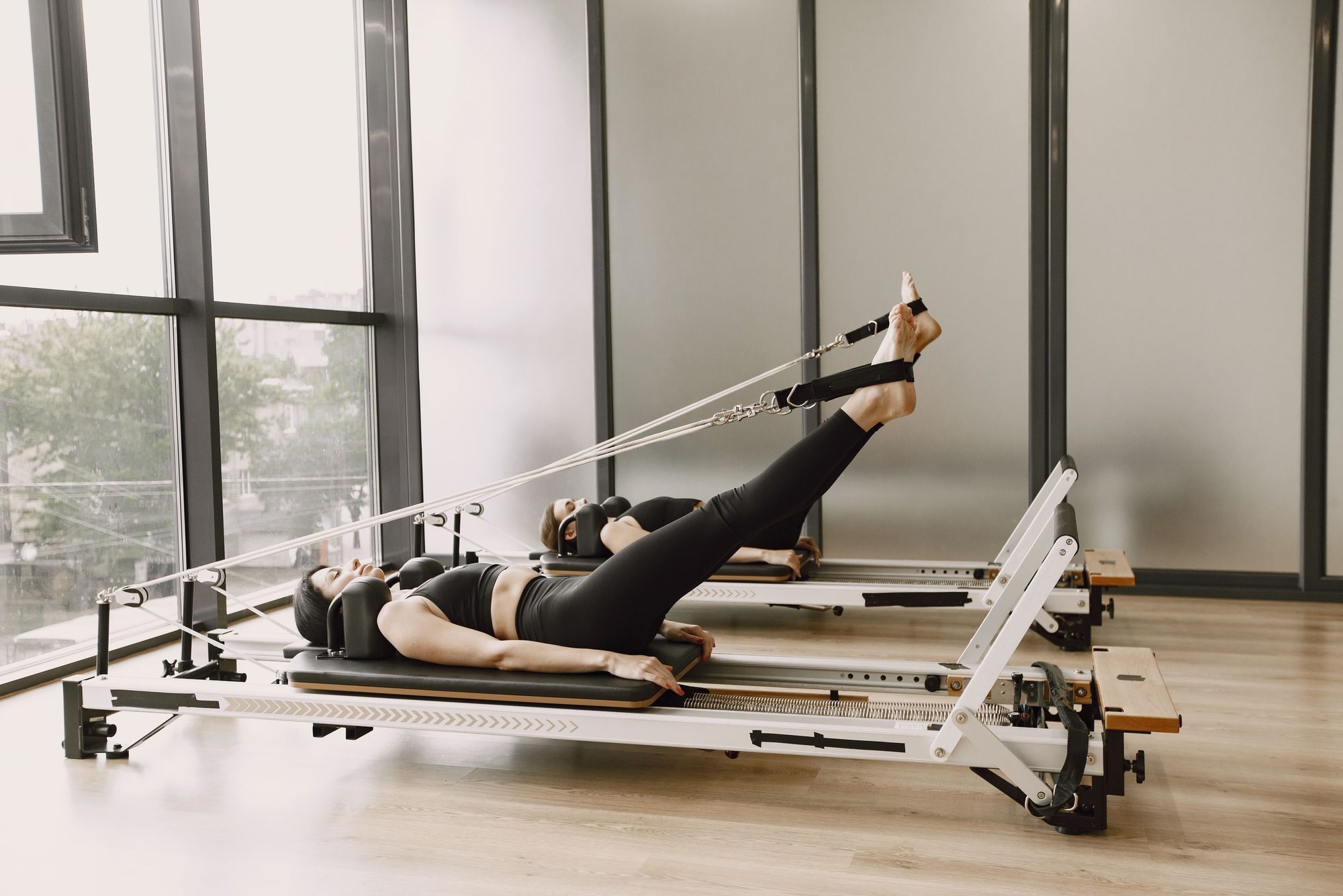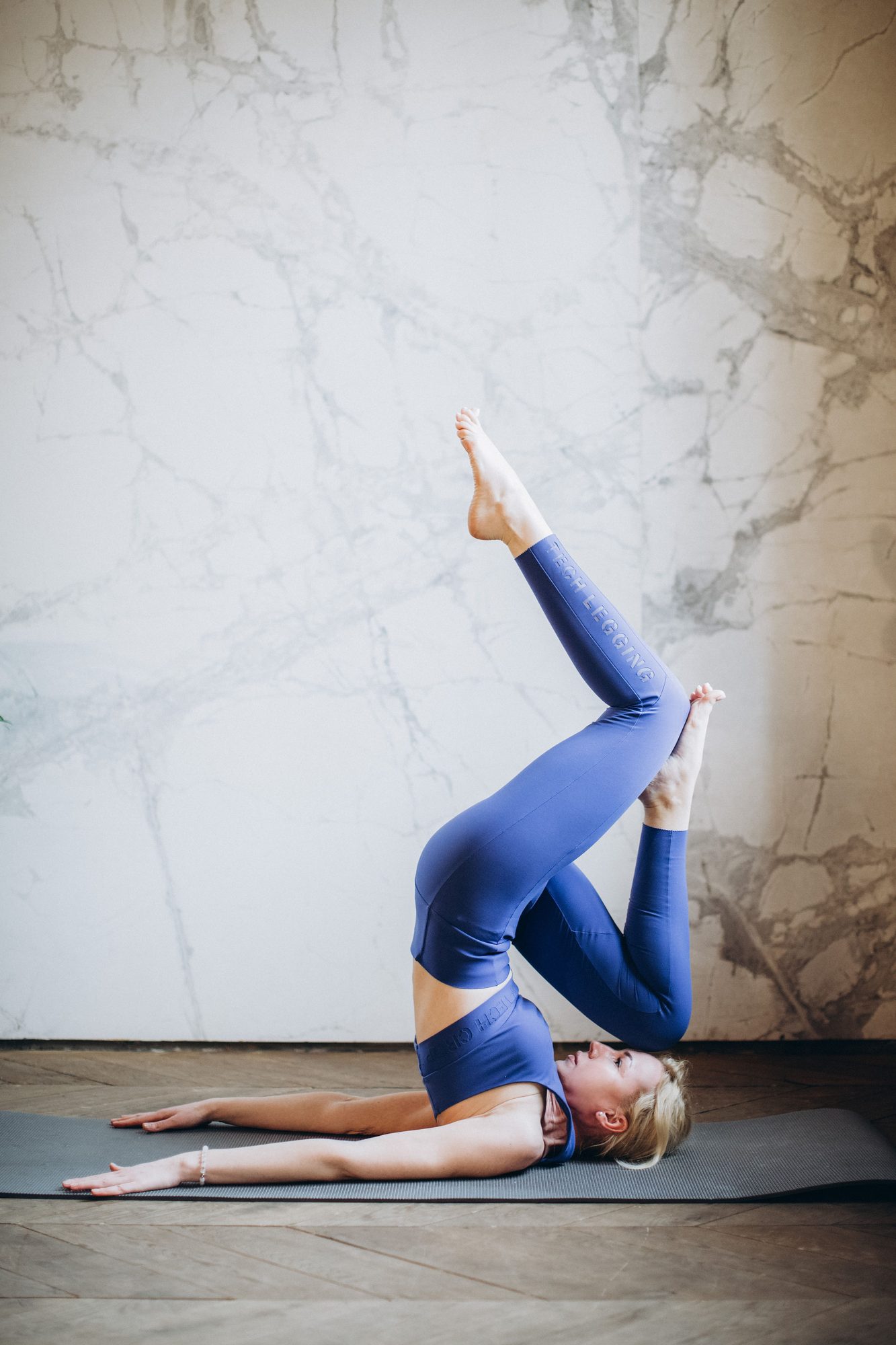
I do not have a studio membership. The reformer is in my house, the mat lives where I can reach it without a decision, and the hour happens on my own schedule. That arrangement is not for everyone and I am not going to pretend it is superior; it is a trade, and it took me two seasons to make the trade work.
What you actually buy back
The commute is the thing that kills consistency, and at home the commute is a staircase. There is no booking window, no waitlist, no twelve hour cancellation policy, and no arriving four minutes late to a class that has already started. On a compressed day I can take twenty minutes instead of skipping ninety, which over a year is the difference between a practice and a good intention.
What you give up
You lose the correction. An instructor watching you in person will catch the shoulder that creeps and the pelvis that tips before either becomes a habit, and no screen does that. You also lose the social pressure of a booked class, which is a real force and should not be dismissed. I compensate with periodic private sessions, which I treat as maintenance for my form rather than as workouts.
At home the commute is a staircase, and the commute is what kills most practices.
Buy the machine last
The order that works is mat first, then small apparatus, then the reformer. A mat, a magic circle, and a light set of resistance will tell you inside two months whether you will keep the appointment with yourself. If you do, the reformer stops being a leap of faith and becomes an obvious purchase. If you do not, you have spent very little finding that out. Buying the machine first is how spare rooms end up with expensive laundry racks.
Set the room so the answer is always yes
Everything that stands between you and starting has to go. The machine stays set up rather than folded away; the springs stay on the setting you use most; the socks and the band live in one drawer within reach. If the practice requires moving furniture, you will do it twice. My rule is that I should be able to walk in and begin in under a minute, fully dressed for the rest of the day if necessary.
Follow a program, not a feed
The failure mode of practicing alone is drifting toward the exercises you like and away from the ones you need, which for most people means plenty of abdominal work and almost no back extension. Choose a program that progresses in a sequence, work through it in order, and keep a short note of what you did. Two lines in a notebook is enough. The note is what turns three good weeks into a year.
Who should not do this
If you are working around an injury, if you are new to the method entirely, or if you already know that you do not keep appointments you make with yourself, a studio is the better instrument and the money is well spent. Practicing at home is not a discount version of the class. It is a different arrangement that trades supervision for frequency, and it only works if you are honest about which of those two you are short on.