A home gym solves one problem, which is the twenty minutes between deciding to train and arriving somewhere you can. It creates a different one: without a class on the calendar and a person watching, most people use the room for about six weeks and then use it for laundry. The equipment that survives that transition is not the equipment the showrooms sell.
Buy the floor first
Rubber tile or a dense mat underneath everything is the least glamorous purchase and the one that determines whether you will use the room. It quiets the noise for anyone below, it protects the subfloor, and it makes lying down on the ground pleasant rather than something you talk yourself into. Cover more area than you think you need; the space where you stretch is the space you will use most.
Adjustable weight, not a rack
A full dumbbell rack looks like a facility and costs a wall. A pair of adjustable dumbbells and a bench that inclines will cover almost every strength movement worth doing at home, and they take up the footprint of a side table. If the budget stretches further, a single kettlebell in a moderate weight does more for hips and grip than the next four dumbbells would.
The room that gets used is the one you can walk into and start in under a minute.
One machine, chosen honestly
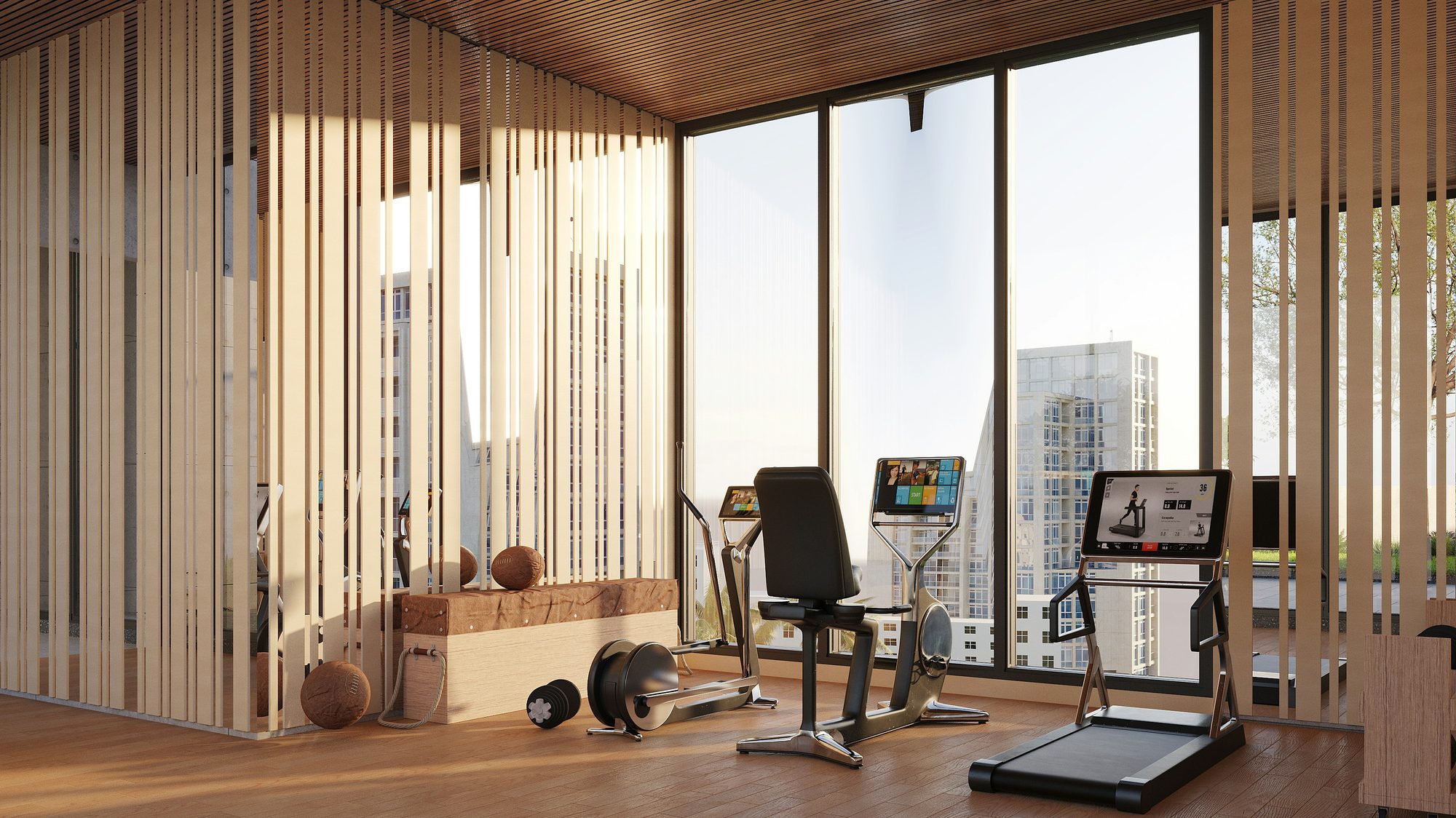
Cardio equipment is where home gyms go wrong, because people buy for the version of themselves they intend to become. Choose the machine you would use on a bad day in bad weather, not the one that suits your best week: for most people that is a treadmill for walking rather than running, or a rower if the ceiling and the shoulders allow. One machine that gets used beats three that get dusted.
Something to hold a class
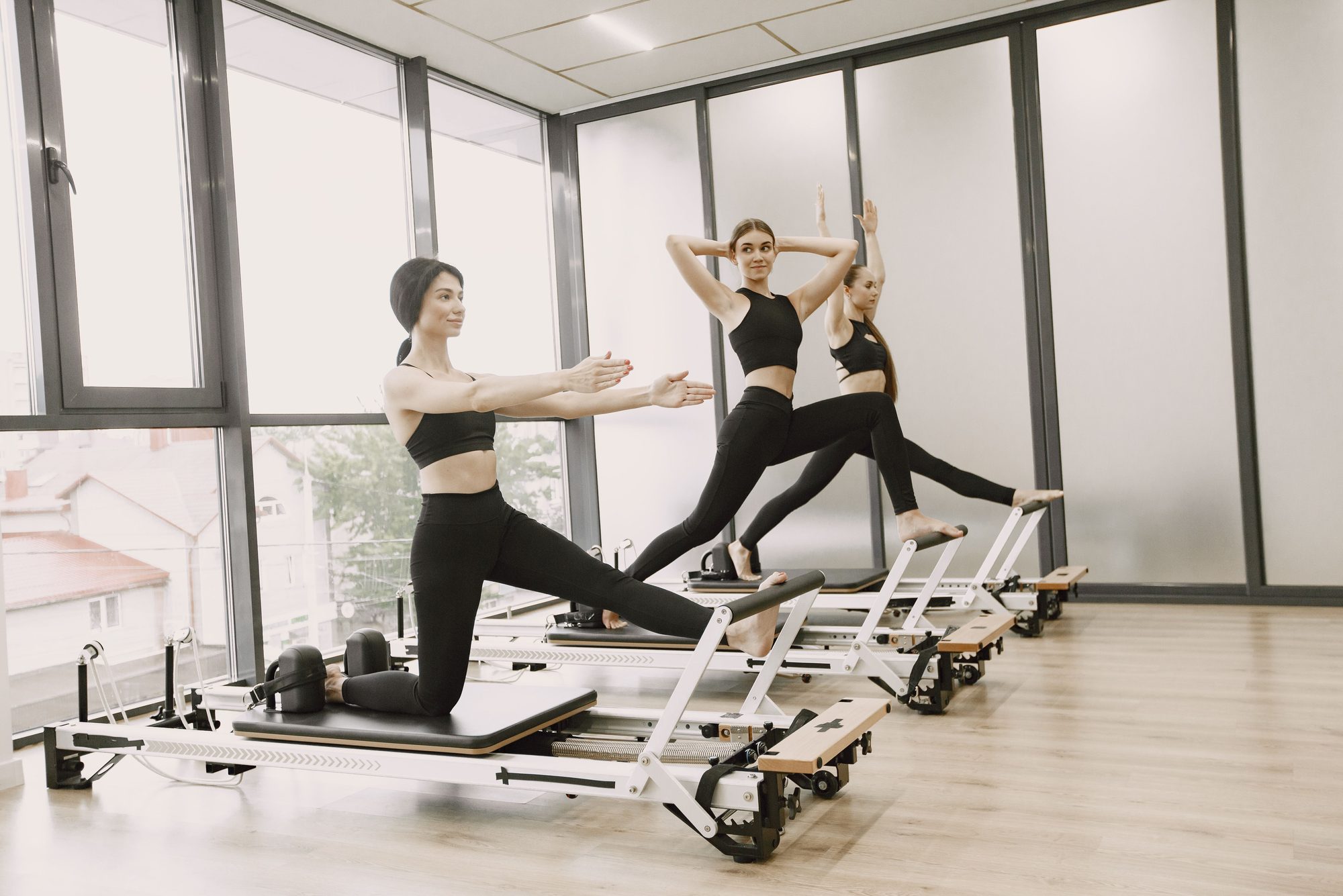
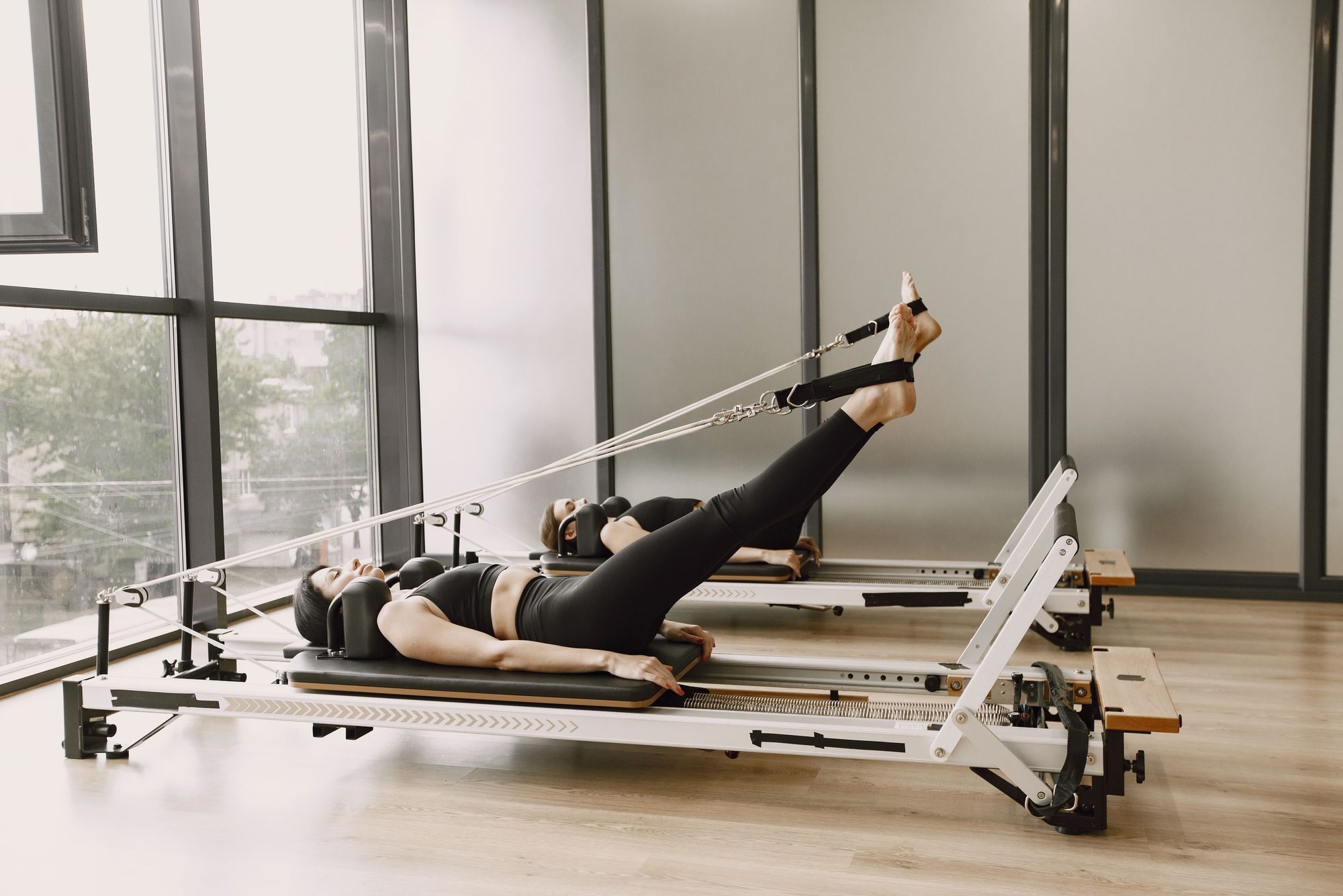
A mat, a mirror or a tripod, and a screen you can actually see from the floor turn the room from a place with equipment into a place with instruction. If Pilates is part of the plan, a folding reformer exists and is worth considering, but the honest first step is a mat, a magic circle, and a subscription; that combination will tell you within two months whether the machine is a purchase or a fantasy.
What to leave out
Skip the multi-station cable tower, the vibration plate, and the second treadmill for a partner who has not asked for one. Skip built-in cabinetry until you have lived with the layout for a season, because the room will rearrange itself once you learn where the light falls and where you actually want to stand. Leave one clear stretch of floor, roughly six by eight feet, permanently empty.
My own room is almost embarrassingly plain: good flooring, weights that adjust, a reformer, and a clear patch of ground with a window in front of it. Everything past that is decoration, and decoration is not what gets you into the room on a February morning.