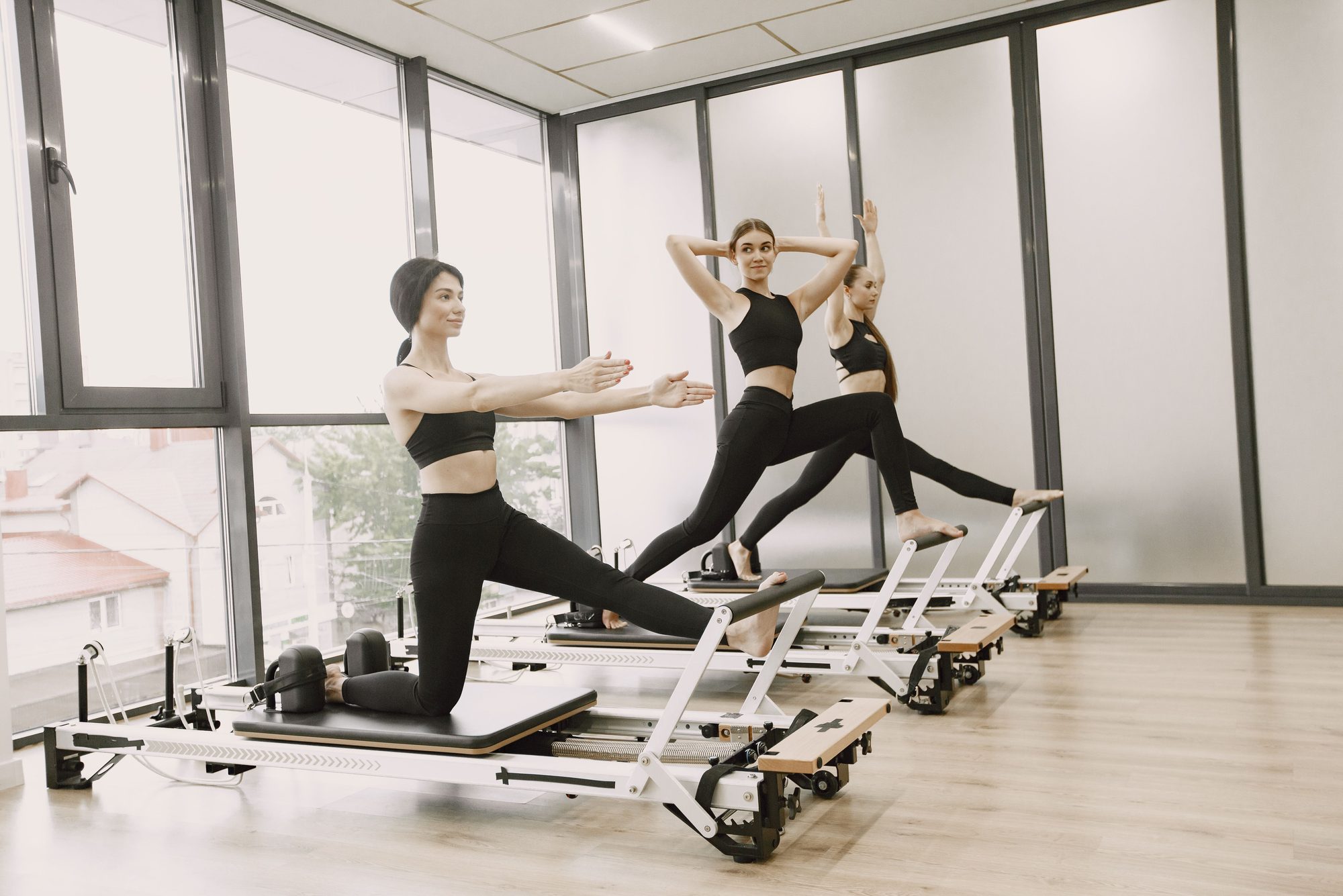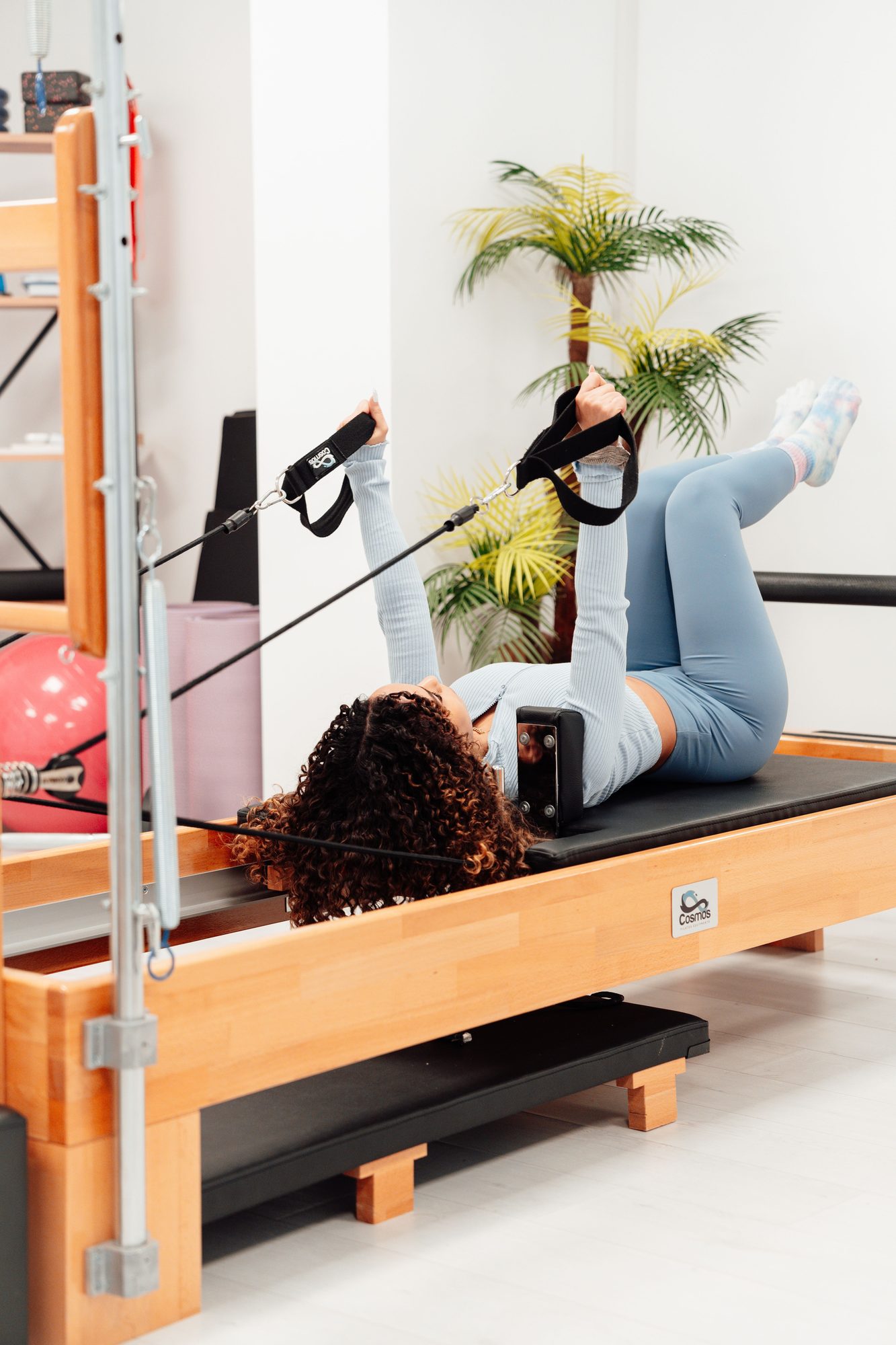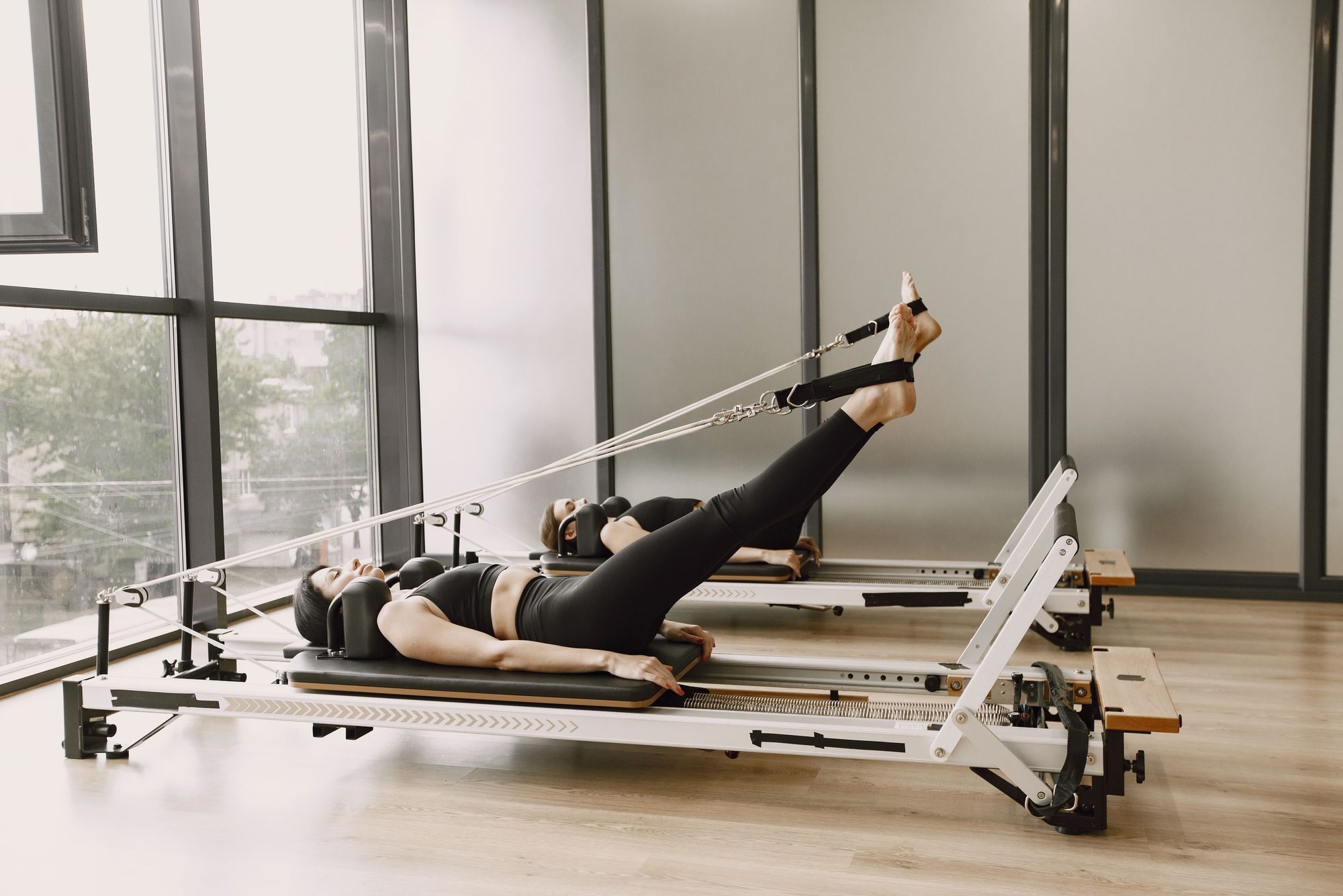
Every studio looks the same on the website: pale floors, a row of reformers, a woman in a matching set with her legs in the straps. The differences that matter are not visible in photographs, and most people discover them in week four, which is conveniently after the introductory package has expired. A single class and five questions will tell you nearly everything.
Ask how the instructors are certified
There is a meaningful gap between a comprehensive certification, which typically runs several hundred hours across mat, reformer, and the rest of the apparatus with supervised teaching, and a short equipment course completed over a weekend. Both people can run a pleasant class. Only one of them can tell you what to do when your knee objects. Ask which program the instructors trained through and how long the training took; a good studio answers this immediately and with some pride.
Count the machines
Class size determines whether you are being taught or supervised. Six to eight reformers means an instructor can walk the room and correct you by name. Twelve or more means you are following along, which is fine if you already know the work and a waste of money if you do not. If the schedule is full of classes capped at sixteen, the studio has chosen volume, and you should choose it too or not at all with your eyes open.
If nobody touches your shoulder or changes your spring in the first class, you are in a fitness class with Pilates equipment.
Watch whether corrections happen
In your first class, notice whether the instructor gives individual corrections or only calls the sequence from the front. The test is simple: did anyone adjust a spring for a specific person, or offer a modification without being asked. Studios that correct are teaching. Studios that count are performing. The second kind can be enjoyable, and you should not pay teaching prices for it.
Look at the schedule as it applies to your week
The best studio in your area is worthless if the only beginner class runs at ten in the morning on a weekday. Before buying a package, find the two specific classes you would attend every week and check that they exist, that the times are realistic with traffic, and that they are not permanently waitlisted. Consistency is the entire mechanism of this method, and proximity beats prestige every time.
Read the cancellation policy before the pretty part
Ask three things: how far in advance you must cancel, whether credits expire, and what happens to unused classes if you travel. Twelve hour cancellation windows with a full class charge and credits that expire in thirty days are designed for a business model rather than for you. Studios that let credits roll for six months are quietly telling you they expect to keep you on the merits.
Take the beginner series if it exists
A structured four or six week beginner course is the single best purchase in this category. You learn the setup and the vocabulary with other people who are also learning it, and you arrive in group classes able to change your own springs without holding up the room. If the studio offers one, take it before the discounted unlimited month; the unlimited month is only valuable once you know what you are doing.
Judge a studio the way you would judge a hairdresser: not by the interior, but by whether the person in charge asks questions before they start and adjusts what they are doing based on your answers. Everything else is lighting.